VGP
Analysis
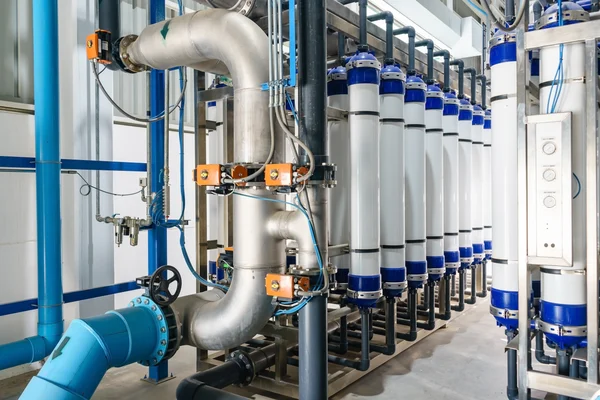
Vessel General Permit (VGP) analysis involves mandatory annual sampling and testing of ballast water, bilge water, greywater, and exhaust gas scrubber washwater to comply with US EPA environmental regulations. It ensures treatment systems work effectively to prevent marine pollution and ecosystem disruption, with results submitted annually.
Key Aspects of VGP Analysis
- Mandatory Scope: Vessels (generally over 400 gross tons) must test for bacteria (\(E. coli\), Enterococci), biological organisms, residual chlorine (TRO), nutrients, and metals, depending on the discharge type.
- Ballast Water Testing: Required for vessels using Ballast Water Treatment Systems (BWTS). It typically requires two tests in the first year and annually thereafter, focusing on microorganisms and chemical residuals like chlorate/chlorite.
- Bilge & Greywater Monitoring: Annual sampling of bilge water is required for oil and grease content, while greywater requires monitoring for faecal coliform and pH.
- Scrubber Wash water Testing: Vessels with wet exhaust gas scrubbers must analyze discharge water, including pH, turbidity, PAHs, and nitrates.
- Compliance Procedure: The process includes proper sampling points, analysis by accredited laboratories, and maintaining records for at least three years.
Benefits and Consequences
- Compliance: Prevents significant penalties and operational disruptions from EPA and Port State Control inspections.
- Environmental Protection: Validates that BWTS are effectively removing or neutralizing invasive species.
- Operational Health: Ensures better vessel maintenance and improved Safety Management System compliance